

AI search visibility tracking is becoming a must-have for marketers and SEO professionals. With the rise of ChatGPT, Perplexity, Google AI Overviews and AI Mode, Gemini, Claude, and more, ensuring your brand appears inside AI-generated answers is critical.
Geneo AI is one of the tools built for this purpose, but it’s not the only option. Depending on your goals, team size, and budget, you may find another solution better suited to your needs. Below, we’ve rounded up the top Geneo AI alternatives and highlighted where each one shines.
Quick Picks (TL;DR)
- Best overall (agencies & content teams): Rankability’s AI Analyzer.
- Best cross-engine reporting: Peec AI.
- Best mid-market analytics depth: AthenaHQ.
- Best for SE Ranking users: SE Ranking’s AI Visibility Tracker.
- Best Surfer-native teams: Surfer AI Tracker.
- Best budget on-ramp: LLMrefs.
- Best free starter: Knowatoa.
What We Looked For (and why it matters)
- Engine coverage. If your buyers consult it, measure it: ChatGPT, Perplexity, Google AIO/AI Mode, Gemini, Claude, Copilot, Grok, DeepSeek.
- Cadence & transparency. How often prompts re-run and whether answers and citations are preserved.
- Actionability. Reports are table stakes; workflows that push fixes into content ops are leverage.
- Collaboration & scale. Seats, roles, exports, APIs, history.
- Price-to-value. Credit models and prompt counts can spike costs quickly; match plans to intent.
Quick Comparison Snapshot
Pricing changes often, so verify on vendor pages before purchase.
| Tool | Best for | Starting price* | Engines/coverage (examples) | Notes |
|---|---|---|---|---|
| Rankability AI Analyzer | Agencies & content teams that want monitoring → fixes | From $124/mo billed annually (suite) | ChatGPT, Gemini, Claude, Perplexity, Grok, DeepSeek, Copilot; Google AI Overviews & AI Mode. | Ties tracking to optimization workflows so teams can close gaps faster. |
| Peec AI | Cross-engine reporting & exports | €89/mo Starter | ChatGPT, Perplexity, AIO; add-ons for Gemini, AI Mode, Claude, DeepSeek, Llama, Grok. | Unlimited seats on many tiers; strong exports; good price-to-coverage. |
| AthenaHQ | Mid-market teams needing analytics depth | From $295+/mo (credit-based) | ChatGPT, Perplexity, Google AIO/AI Mode, Gemini, Claude, Copilot, Grok. | Credit model aligns costs to engine runs; role-based access. |
| SE Ranking – AI Visibility | Teams already using an SEO suite | From $89/mo add-on | AIO, AI Mode, ChatGPT; Perplexity & Gemini listed in product materials. | Lives inside SE Ranking; nice if you want one platform. |
| Surfer AI Tracker | Surfer-native teams that want prompt-level tracking | From $95/mo | ChatGPT, Perplexity, Google AI Overviews & AI Mode; “SearchGPT” in Surfer materials. | Add-on to Surfer; scales by prompt bundles. |
| LLMrefs | Budget on-ramp to AI visibility tracking | From $79/mo | Tracks major AI models including ChatGPT, AIO/AI Mode, Gemini, Perplexity, Claude, Grok, Copilot, Meta, DeepSeek. | Lightweight, fast setup; weekly trend views and engine filters. |
| Knowatoa | Free starter with simple dashboards | From $99/mo | ChatGPT (free); adds AIO and Perplexity on paid tiers; higher tiers add Claude, Gemini, Meta. | Unlimited sites; CSV export on all paid; API on Pro+ tiers. |
*Starting prices change often – verify current pricing before purchase.
The Alternatives
1. Rankability’s AI Analyzer (Best overall)
Analyzer gives you broad engine coverage, answer and citation capture, competitive mapping, and trend tracking.

The differentiator is the integrated workflow that moves from “find” to “fix” inside the same stack, so teams can turn visibility gaps into on-page improvements without duct-taping tools.
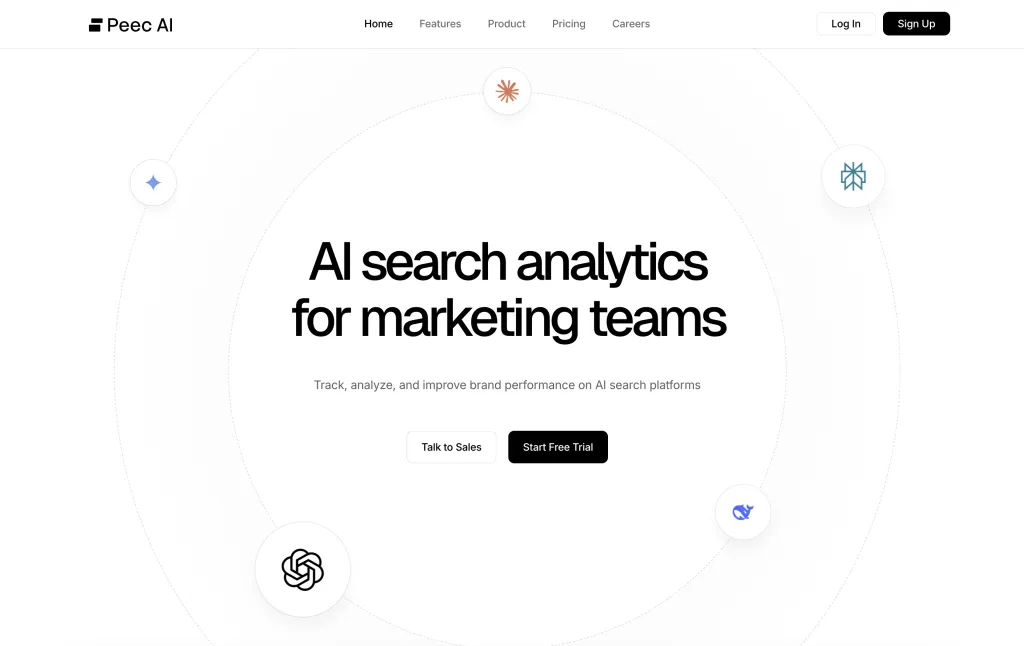
2. Peec AI (Best cross-engine reporting)
Peec focuses on cross-engine dashboards, exports, and simple seat policies, which makes it attractive for teams that want fast Share-of-Voice reads across ChatGPT, Perplexity, and Google’s AI formats, with optional add-ons for extra engines as you scale.
3. AthenaHQ (Best mid-market analytics depth)
AthenaHQ is positioned as a full GEO platform with a credit model that maps directly to runs.
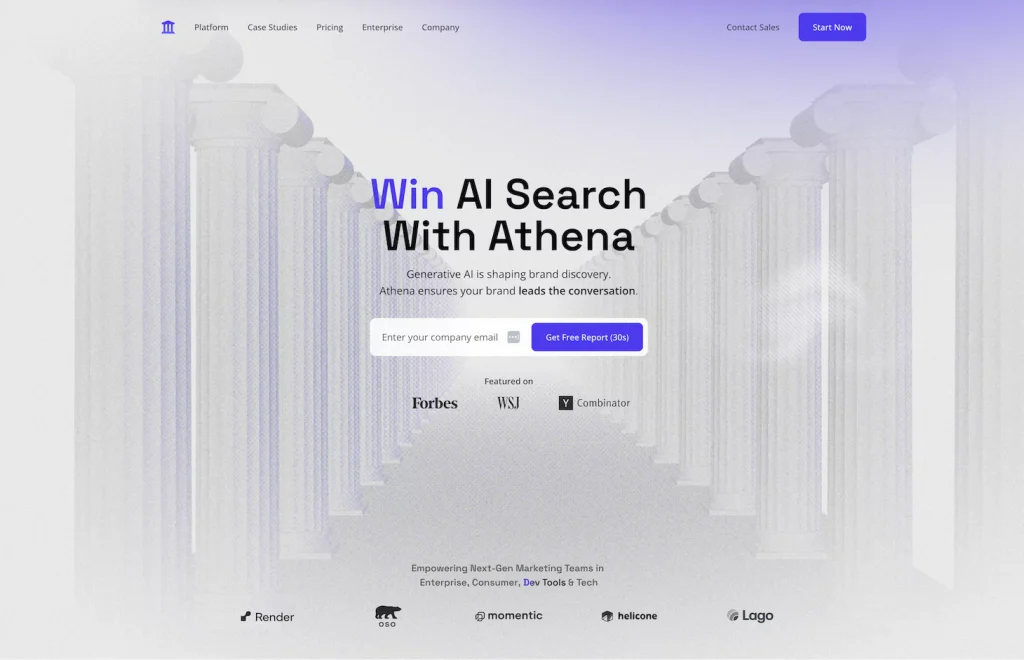
If you want deeper analytics and demand modeling alongside monitoring, it is a thoughtful choice, though you will want to plan credit consumption.
4. SE Ranking – AI Visibility Tracker (Best for SE Ranking users)
If your team already lives in SE Ranking, the AI Visibility add-on drops AI results tracking into the same suite you use for keywords, audits, and reporting.
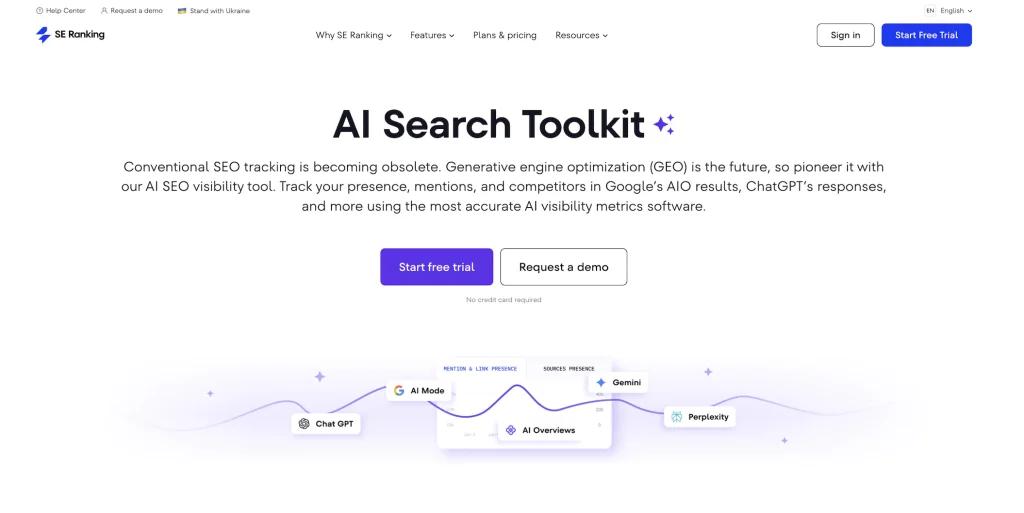
Track mentions and links in AI answers, compare competitors, and trend your visibility over time without adding a new vendor.
5. Surfer AI Tracker (Best for Surfer-native teams)
Surfer sells AI Tracker in prompt bundles, which is clean and predictable for Surfer users.
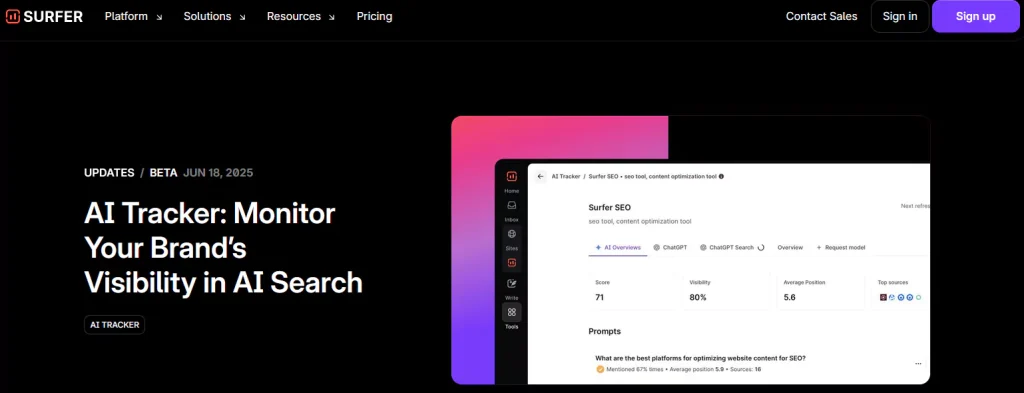
Coverage spans major assistants and Google’s AI formats, and it is easy to spin up tests at the prompt level when you already rely on Surfer’s editor and audit.
6. LLMrefs (Best budget on-ramp)
LLMrefs is a lightweight way to validate your baseline AI visibility across popular engines.
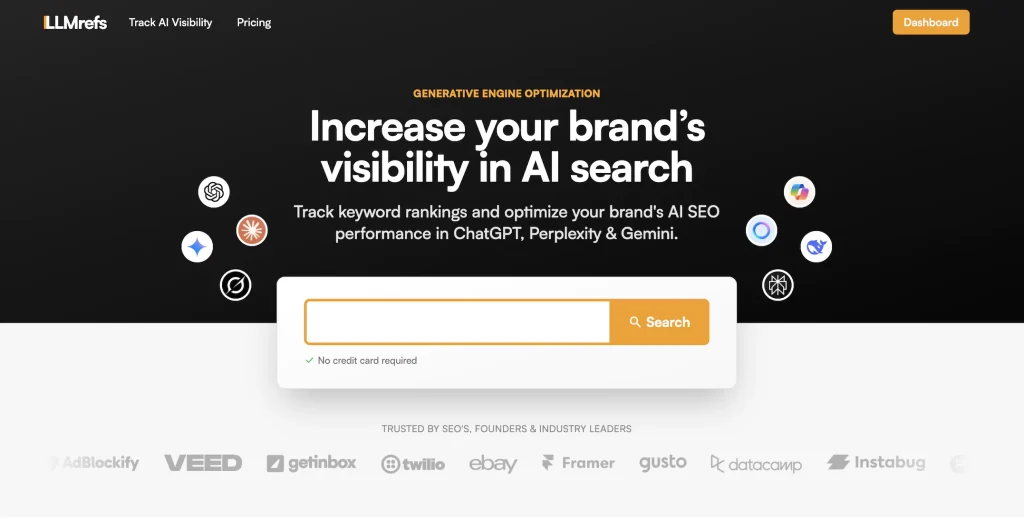
It supports filtering by engine and country, and it is commonly listed with a low entry price, which makes it appealing for solo marketers and SMBs.
7. Knowatoa (Best free starter)
If you want to start for free and track a small set of questions, Knowatoa’s free plan is generous.

Paid tiers expand to AIO, Perplexity, and more engines, and higher tiers add API access and larger “question” allowances across unlimited sites.
Geneo AI vs. These Alternatives: When to Switch
- You need optimization, not just monitoring. Choose a platform that ties findings to briefs, edits, and QA so you can fix what the engines read.
- You need broader engine coverage or higher cadence. Some tools emphasize assistants, others AIO/AI Mode. Match the mix to your funnel.
- You want suite consolidation. If consolidating SEO + AI visibility beats adopting a net-new stack, a suite add-on can win.
Buying Guide: How to Choose in 2025
- Engines that matter. Start with the engines your buyers actually consult — especially the ones widely regarded as the best AI Search Engines — then add others thoughtfully.
- Cadence vs cost. Daily runs on mission-critical prompts; weekly for broader tracking so budgets do not spike.
- Citation transparency. Screenshots, answer text, and explicit sources speed up fixes.
- Seats, roles, and exports. Agencies need RBAC, CSV, and often API.
- Price-to-value. Credit and prompt models differ. Match spend to intent and growth stage.
FAQs
Do these tools track both assistants and Google’s AI formats?
Coverage varies, so verify before you buy. Many cover ChatGPT and Perplexity plus Google AI Overviews and AI Mode; some list additional engines as “coming soon.”
What is a sensible starting cadence?
Weekly is a safe baseline for most prompts. Move key commercial or volatile prompts to daily and budget credits accordingly.
How do we prove ROI from AI visibility work?
Track branded and non-branded mentions and citations → implement content changes → watch SOV and citations move → correlate to brand search lift and assisted conversions in your analytics stack.
Conclusion
Geneo AI is a capable tool, but it isn’t the only way to track and improve your visibility inside AI-generated answers. From full-stack platforms like Rankability’s AI Analyzer and AthenaHQ, to budget-friendly options like LLMrefs and Knowatoa, the landscape of the best search visibility tools has something for every stage and budget.
The key is to match your choice to what matters most: engine coverage, refresh cadence, optimization workflows, or suite consolidation. Start by testing the platforms that align with your current goals, and you’ll be better positioned to keep your brand visible as AI search continues to evolve.
Free GEO Checklist – Download the complete 97-point checklist to optimize your brand for AI-powered search engines like ChatGPT, Gemini, and Perplexity.