
Audit
Find website barriers to AI search visibility
Check crawler access and website structure. Turn technical findings into a focused list of pages for you or your team to investigate.
Get Started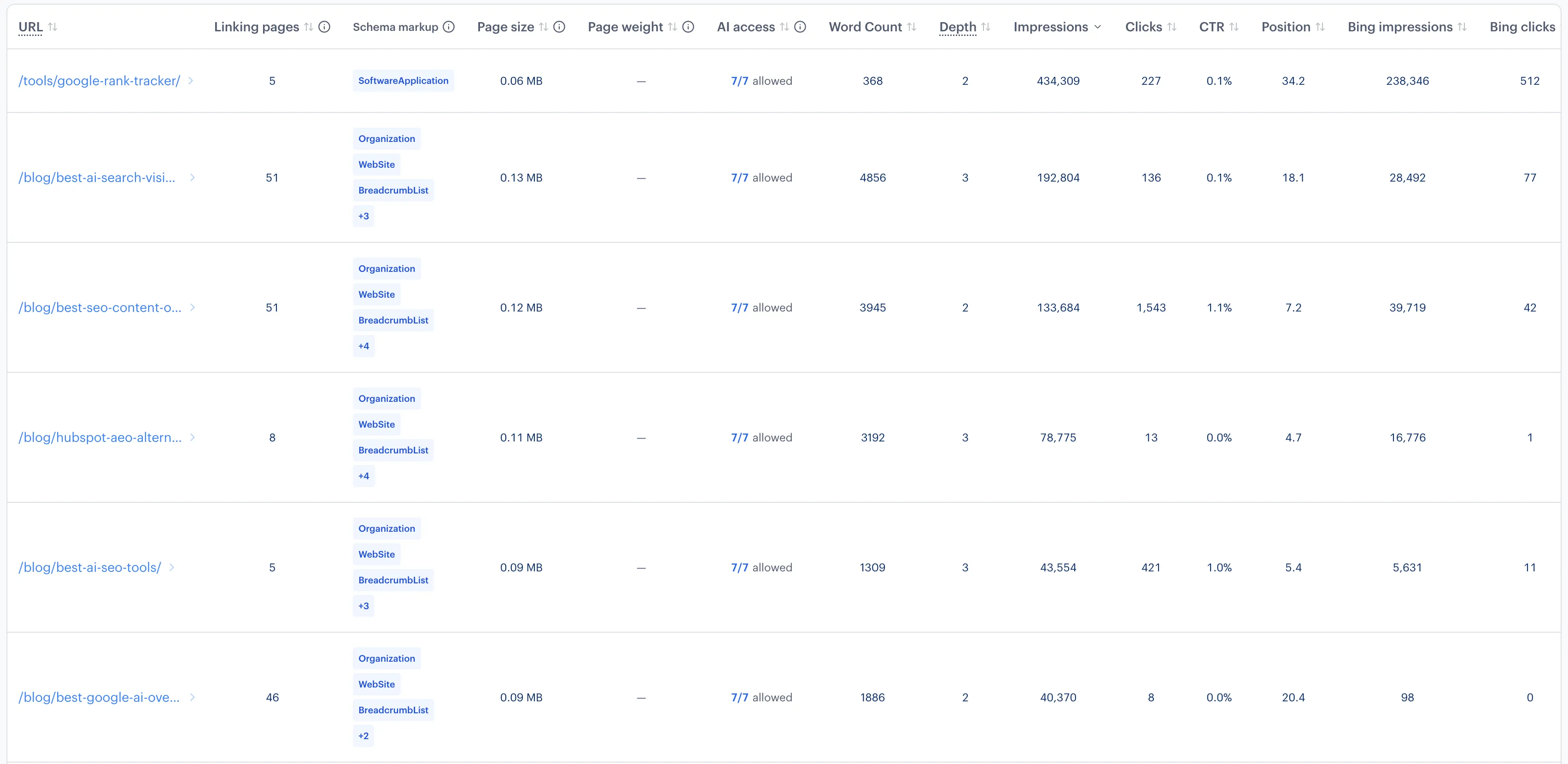
Helping businesses get found in AI search.





See which pages need a closer look
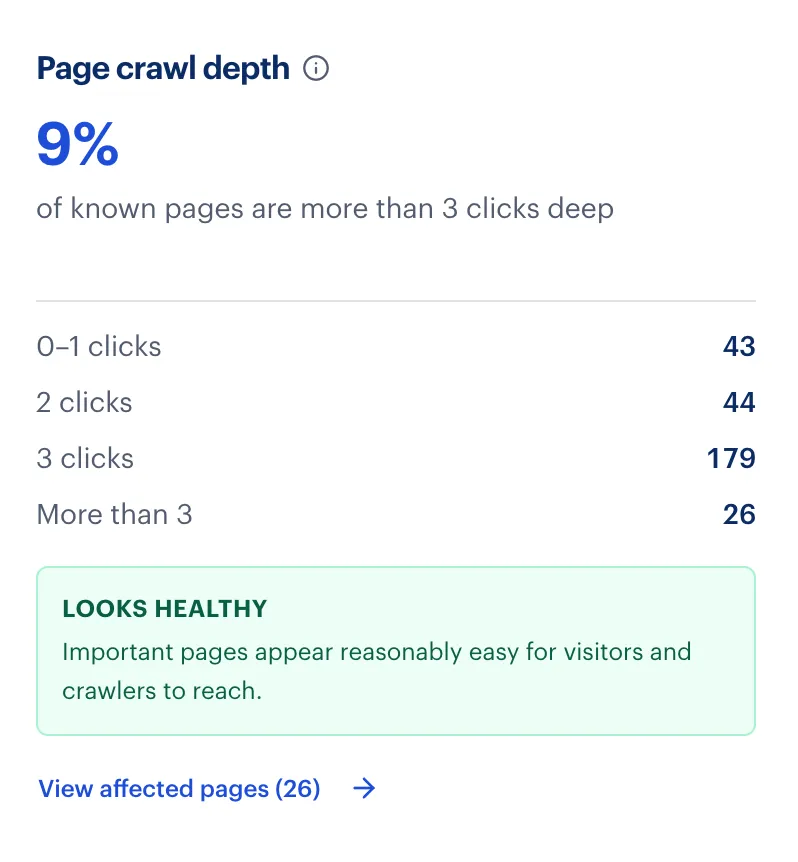
Investigate crawler access, indexability, canonical tags, internal links, and page structure across your crawl. Open affected URLs to understand what each finding means for your website.
AI crawler checks use robots.txt evidence to identify access restrictions. Those checks show access settings, rather than whether an AI platform has cited a page.
Your workflow
Turn a website crawl into practical next steps
Define the area to audit
Start with a website, sitemap, or list of URLs. Set boundaries that match the work you want to investigate.
Review findings in context
Examine the affected pages and determine which settings are intentional before choosing what to change.
Check your updates
Run another crawl after making changes. Compare findings with the earlier report to review what has been addressed.

“Rankability is simple to use, extremely clear on what improvements can be made, and includes tools to make those improvements to the content!”
Questions about Audit
Can I audit a section of my website?
Yes. Use a sitemap or URL list, or limit the crawl to selected paths. Configure exclusions and subdomain coverage to match your scope.
What is the difference between a site audit and a page audit?
Site Auditor examines technical evidence across a website. Page Content Auditor evaluates one public page against a target keyword and search intent.
Does resolving audit findings guarantee AI citations?
No. An audit helps identify technical barriers. AI platforms consider other factors when deciding which sources to use.
Start with your website
See how Rankability helps you investigate technical findings, prioritize pages, and review changes.
Get Started